
From Nigerian Innovation to African Infrastructure: The Technology Story Behind Milsat
Discover how Nigerian tech company Milsat Technologies is powering digital postcode infrastructure, mapping millions of properties and expanding geospatial technology across Africa.
When people talk about Nigeria’s technology industry, the conversation often centres on fintech, software startups and digital platforms. But another part of the ecosystem is quietly building something just as important: digital infrastructure for the physical world.
Milsat Technologies is one of the Nigerian companies working in this space.
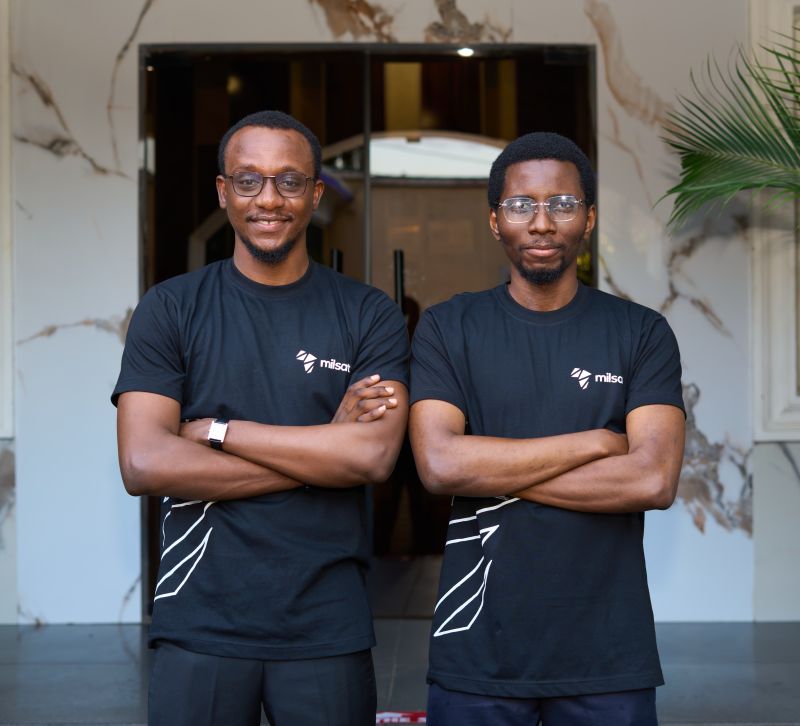
Founded by Taslim Saluadeen and Adedamola Baderinwa, Milsat has developed technology around geospatial data, mapping and field operations, with its work now extending into major public-sector projects in Nigeria and beyond.
Powering a New Digital Postcode
One of Milsat’s most visible projects is its involvement in Nigeria’s National Digital Postcode.
The company moved from delivering a pilot in 2023 to contributing technology to a national-scale system.
A digital postcode system is more than simply assigning numbers to locations. Reliable location data can become an important layer of digital infrastructure for businesses and public institutions.
For businesses, accurate location information can support logistics, deliveries, customer verification and service coverage.
For government, it can improve planning, field operations and the delivery of public services.
As more services become digital, knowing where people, properties and businesses are located becomes increasingly important.
Mapping Millions of Properties
Milsat's work also extends into large-scale mapping.
The company supported the National Population Commission (NPC) in mapping more than 65 million properties as part of preparations for Nigeria's first digital census.
Projects of this scale demonstrate the importance of combining software with geospatial technology and field operations.
Mapping millions of properties requires systems capable of collecting, organising and managing large volumes of location-based information.
The technology may operate largely behind the scenes, but the resulting data can support activities ranging from population planning to infrastructure development and public-service delivery.
Taking Geospatial Technology Beyond Nigeria
Milsat's technology journey has also crossed Nigeria's borders.
The company has deployed enumeration area demarcation technology in Sierra Leone, showing how solutions developed around African challenges can potentially be adapted for other markets.
This is an important opportunity for African technology companies.
Many countries across the continent face similar challenges involving population data, mapping, infrastructure planning and field operations.
A technology company that develops expertise in one African market can therefore find opportunities to solve related problems elsewhere.
Why This Matters for Nigerian Tech
Milsat represents a different side of Nigeria's technology story.
The country's technology ecosystem is not only producing applications for consumers. Nigerian companies are also developing systems that can support governments, businesses and large-scale national programmes.
This category of technology is particularly significant because it sits at the intersection of software, geospatial data, infrastructure and public services.
The opportunity goes beyond Nigeria.
As African economies become increasingly digital, reliable location and field data will become more important for logistics, commerce, urban planning, agriculture, public administration and other sectors.
From Local Problems to Global Solutions
One of the strongest opportunities for African technology companies may be the ability to turn local challenges into products that can work across multiple markets.
Milsat's experience provides an example of that approach: develop technology around real problems in Nigeria, demonstrate that it can operate at significant scale, and take the expertise into other African markets.
That model can create companies that are not simply based in Africa but are building technology specifically suited to African operating environments.
Built in Nigeria does not have to mean limited to Nigeria.
Milsat's growing role in digital postcode infrastructure, property mapping and field-data technology is another reminder that some of the most important technology stories are happening behind the scenes—where software, data and physical infrastructure meet.
For Nigeria's technology ecosystem, that is a story worth watching.